PhenoRob is a research platform advancing technology-driven strategies for sustainable crop production. In Phase 2, the Cluster is structured around 7 interdisciplinary Core Projects supported by large-scale field experiments at Campus Klein-Altendorf and additional sites across Germany. The vision is to design and manage new sustainable cropping systems supported by novel, robotics- and AI-driven technologies, enabling production systems with positive environmental and economic impacts.
Core Projects and Field Experiments
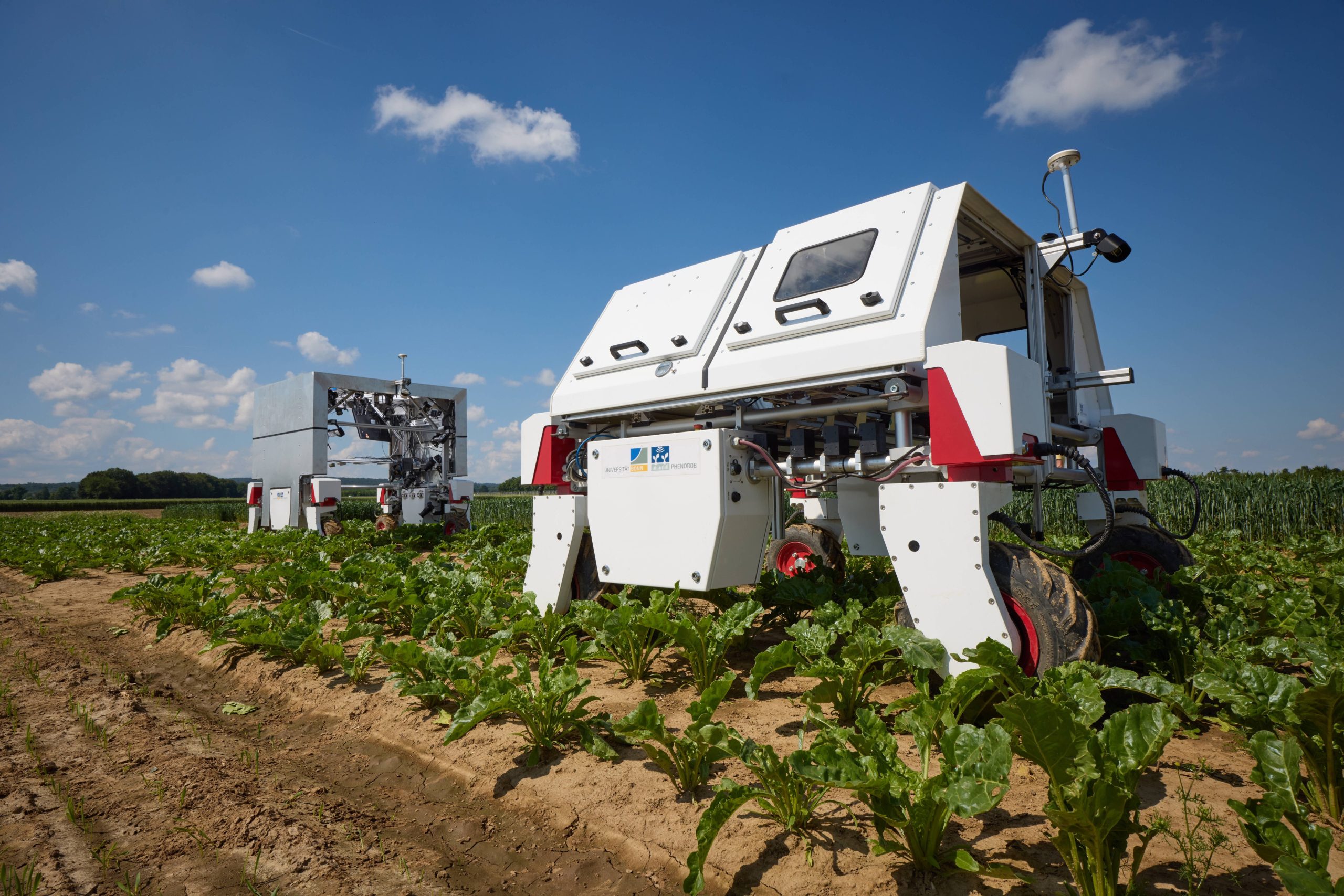
CP1: Robotics for Crop Science: Sensing and Intervention
Core Project 1 (CP1) develops advanced agricultural robots and mobile sensing systems that can adapt to a wide range of tasks and cropping environments. It focuses on creating heterogeneous robotic systems with diverse sensing modalities to monitor crop conditions and surrounding ecosystems at multiple scales. The project integrates innovative sensing concepts, including fluorescence, spectral, thermal imaging, and active perception, to generate comprehensive crop information. It also collects multi-temporal, multi-modal georeferenced data from above and below the canopy throughout the entire growth period. Furthermore, the project advances robotic solutions for selective, high-resolution field interventions and efficient multi-robot team operations.
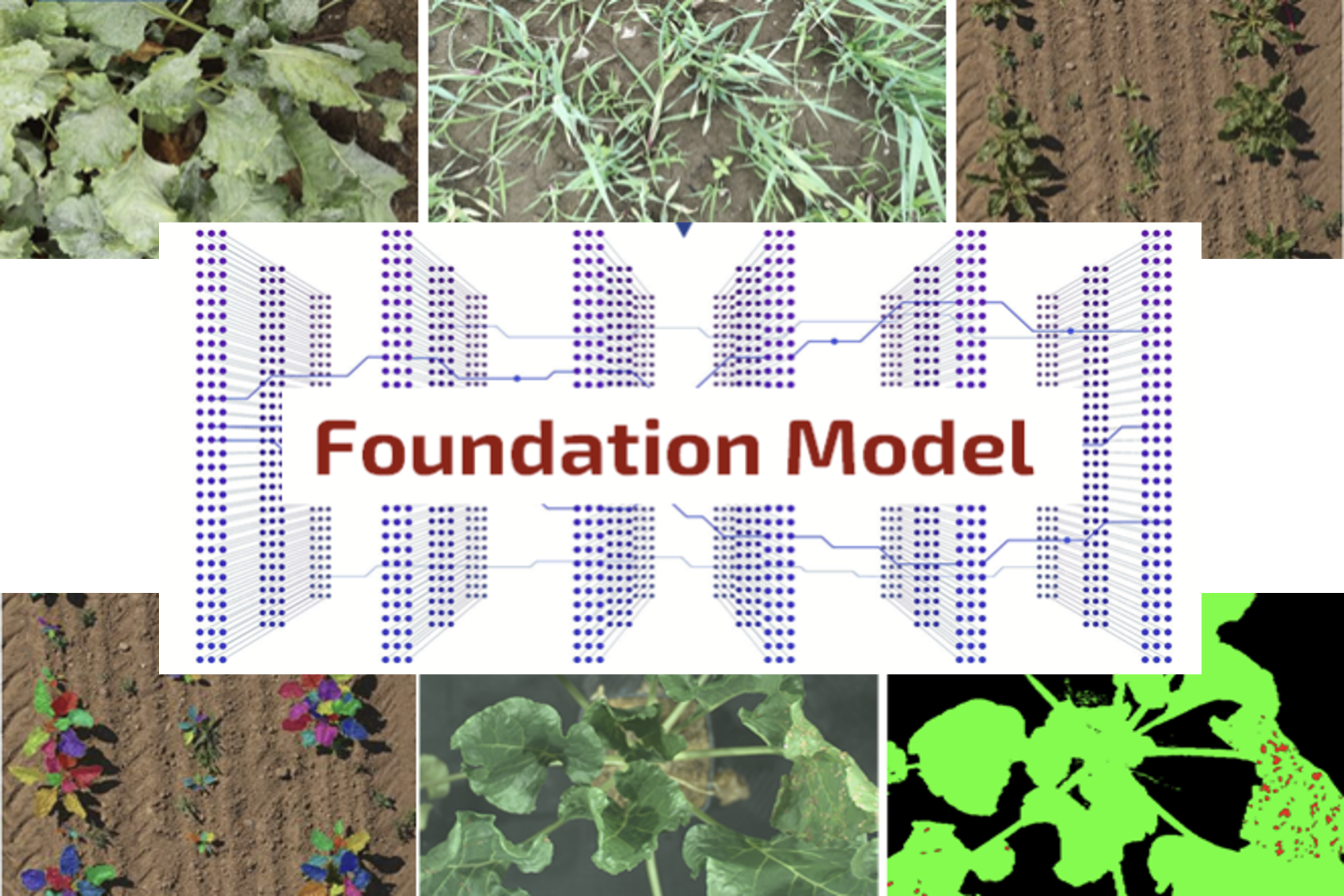
CP2: Foundation Model for Crop Production
Core Project 2 (CP2) aims to develop a self-supervised foundation model specifically tailored to crops and crop production. Building on diverse datasets, the project benchmarks and adapts this model for a broad range of downstream tasks, including plant disease detection, nutrient deficiency assessment, panoptic segmentation, recognition of plant and weed varieties, and anomaly detection. In addition, CP2 advances hybrid modeling approaches that integrate domain knowledge to predict the spread and diffusion of plant diseases. A strong emphasis is placed on data-centric machine learning to improve efficiency and model robustness. Together, these efforts provide scalable methods that support reliable analysis and decision-making in modern crop production.
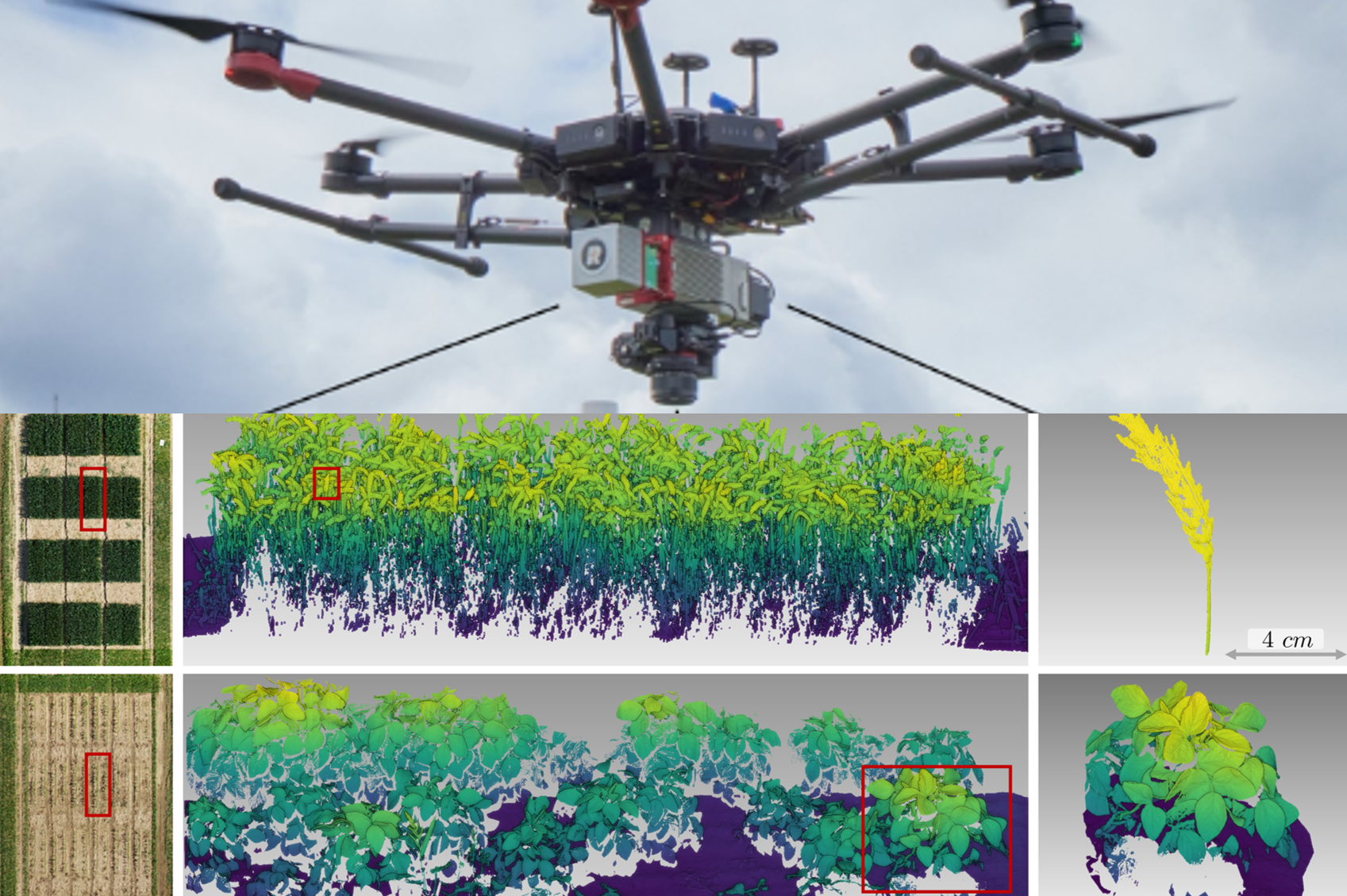
CP3: Assessing Crop Performance by Measurements and Phenotyping
Core Project 3 (CP3) focuses on extracting meaningful agronomic, physiological, and plant-related information from automated measurements to deepen our understanding of the mechanisms and processes underlying plant phenotypes. The project advances plant phenotyping technologies to connect traits across biological and spatial scales, from cells and organs to individual plants, plots, and entire fields. CP3 develops analytical approaches that integrate technological innovations, data-driven methods, and environmental and soil interactions to enable meaningful interpretation and prediction of dynamic plant responses. A key element is translating heterogeneous data across sites and conditions to generate robust and generalizable model outputs. The results of CP3 provide a scientific basis for informed decision-making and knowledge-based interventions across modern crop production systems.
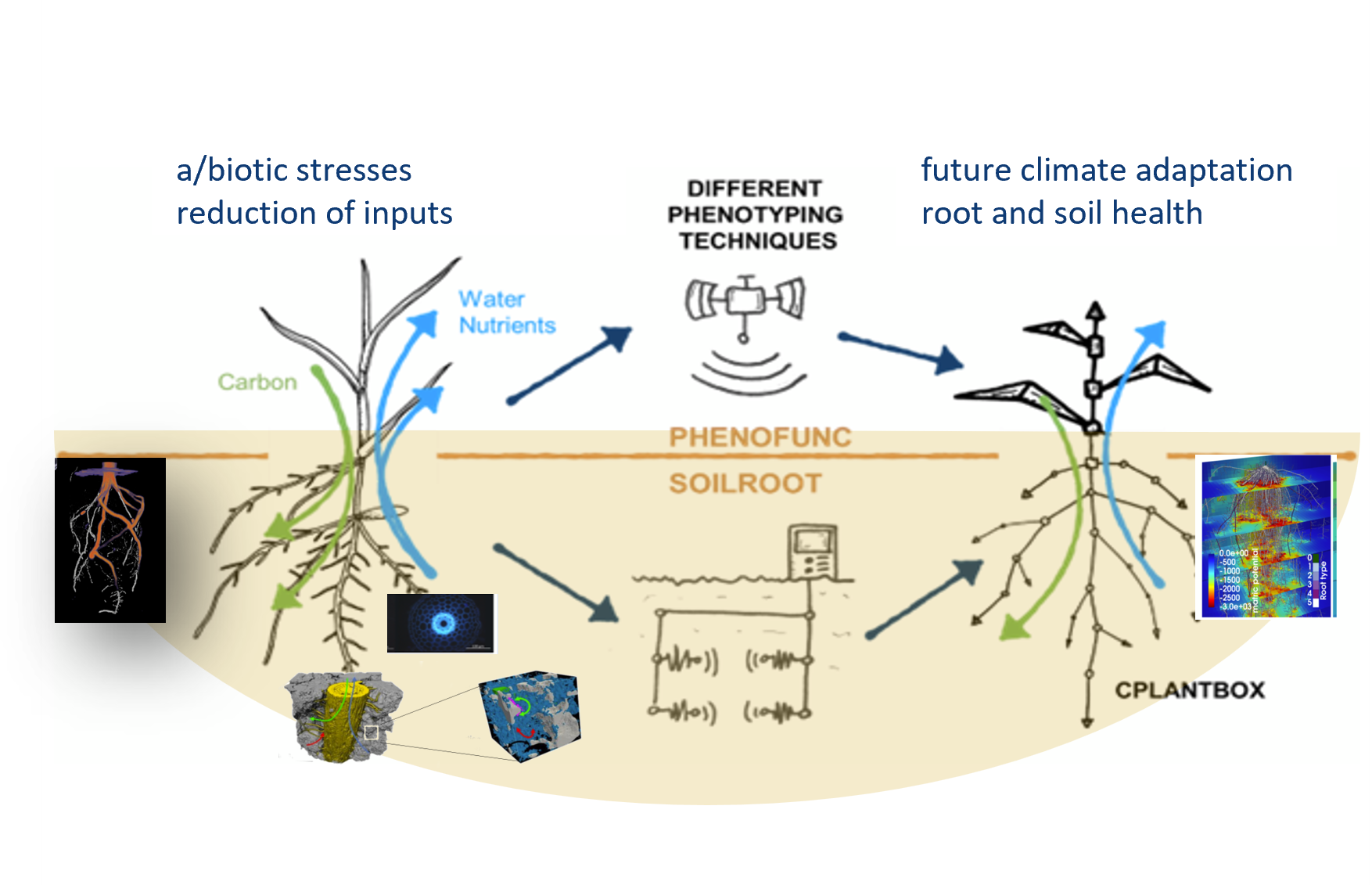
CP4: Soil-Root-Interactions for Crop Performance
Core Project 4 (CP4) generates essential soil and belowground information to better understand the processes that shape root architectures and their interactions with the environment. The project aims to identify early diagnostic signals that indicate root performance and to deepen knowledge on managing root phenotypes, soil processes, and rhizosphere dynamics. These insights support improved water and nutrient use efficiency as well as greater crop resilience to stress. By combining process-based and data-driven modeling approaches, CP4 in cooperation with CP 6 works to determine optimal root phenotypes for effective resource acquisition. Ultimately, its outcomes help enable stable crop yields across diverse climates and management conditions.
CP5: Sustainable Innovations in Cropping Systems
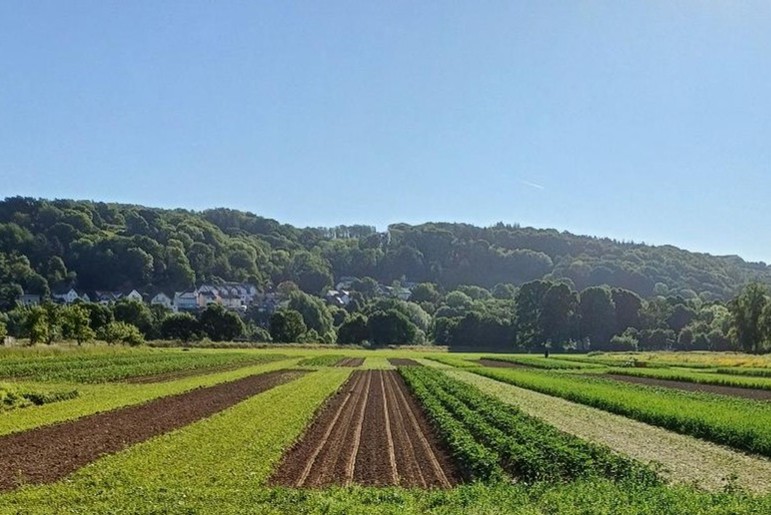
Core Project 5 (CP5) develops the theoretical foundations and empirical evidence needed to design diversified agricultural systems that simultaneously enhance productivity, environmental performance, and economic viability. The project builds an integrated understanding of how technology-enabled production strategies—such as innovative field arrangements and spatio-temporal diversification—can improve system-level outcomes. CP5 also identifies the technological advancements required to support these systems and promote their effective adoption from the plot to the farm scale. A central focus is evaluating trade-offs and synergies among yields, economic returns, resource-use efficiencies, greenhouse gas emissions, and farmland biodiversity. Through this work, CP5 provides guidance for implementing future-proof, sustainable cropping systems.
CP6: Fusing Information from Sensing and Modeling Across Spatio-Temporal Scales
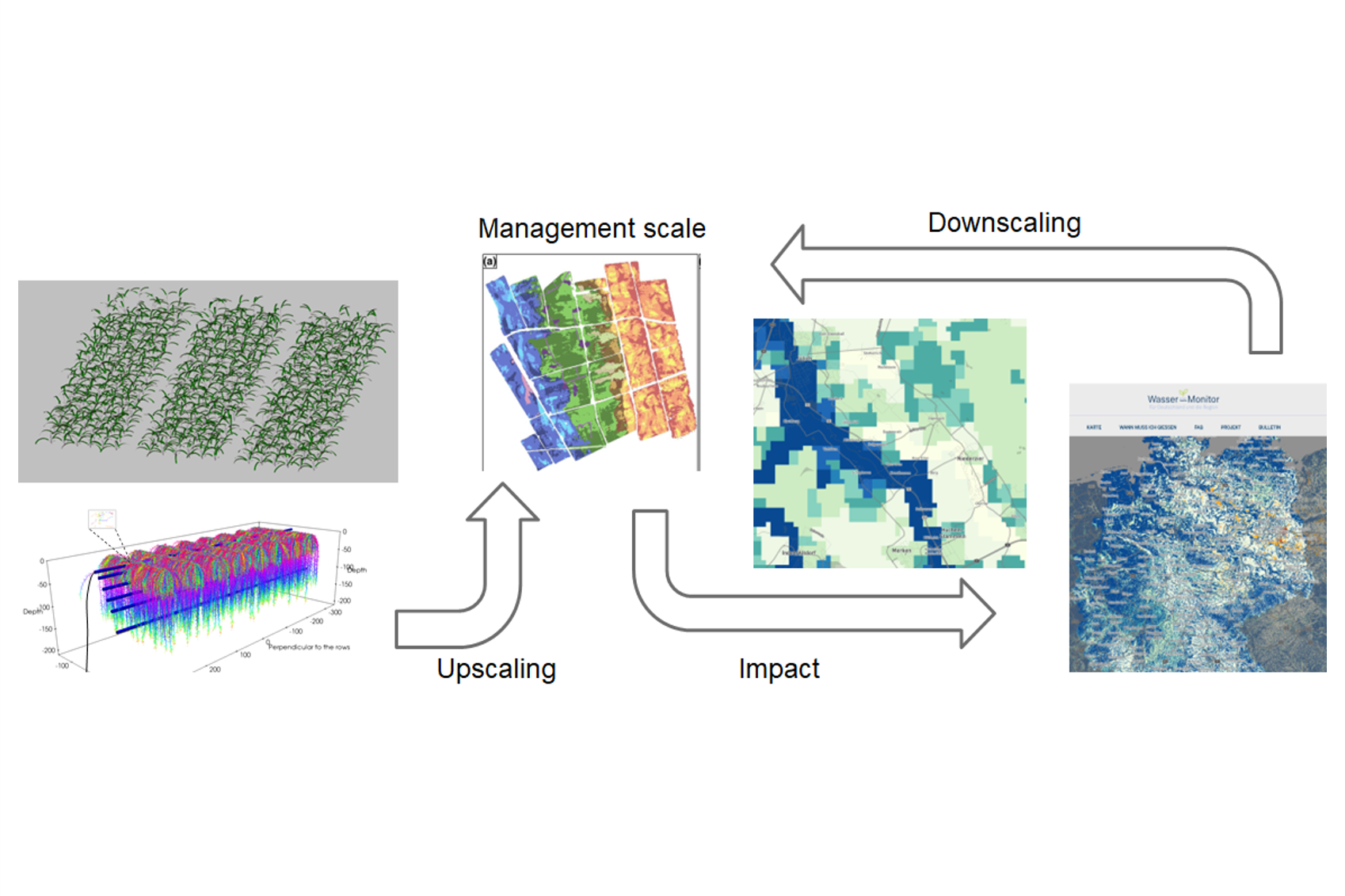
Core Project 6 (CP6) develops methods to fuse diverse data sources on agro-ecosystems with simulation models that represent their functioning across multiple scales. These models act as digital shadows of real systems, allowing reliable reproduction of agro-ecosystem behavior. Once sufficiently accurate, they enable ex-ante evaluation of management options and support informed decisions about where and when specific actions should be taken. CP6 aims to advance towards digital twins by making model–data fusion, simulations, and decision evaluation both operational and efficient. A key focus is creating hybrid modeling approaches that integrate process-based and machine learning methods to select informative data and identify optimal management strategies under complex criteria.
CP7: Implications for Agro-Ecosystems and Society
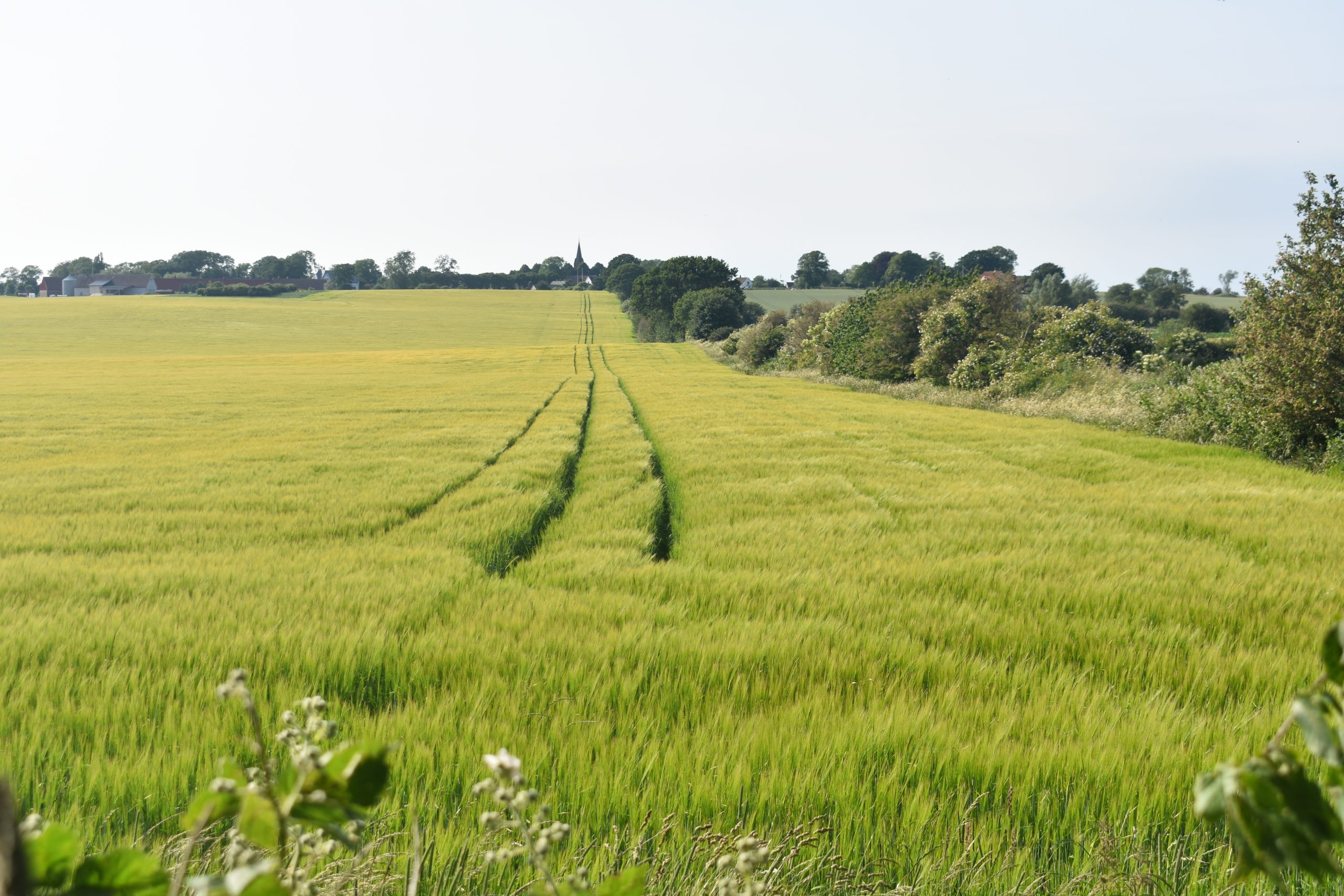
Core Project 7 (CP7) evaluates how diversified cropping systems, innovative field arrangements, and selected digital agricultural technologies can support more sustainable farming. We assess their impacts on biodiversity, greenhouse gas emissions, and socio-economic outcomes at multiple scales - from landscapes to the global level. Beyond impact evaluation, CP7 examines the enabling conditions that shape adoption and diffusion of new technologies and diversification strategies: the barriers farmers face, the incentives that matter, and the benefits, trade-offs, and risks that come with new practices and technologies. Our dedicated policy analysis identifies the frameworks and strategic interventions that can facilitate sustainable agricultural transformation. Through this integrated approach, CP7 delivers evidence-based policy recommendations grounded in multi-scale quantitative and qualitative assessments.
Field Experiments
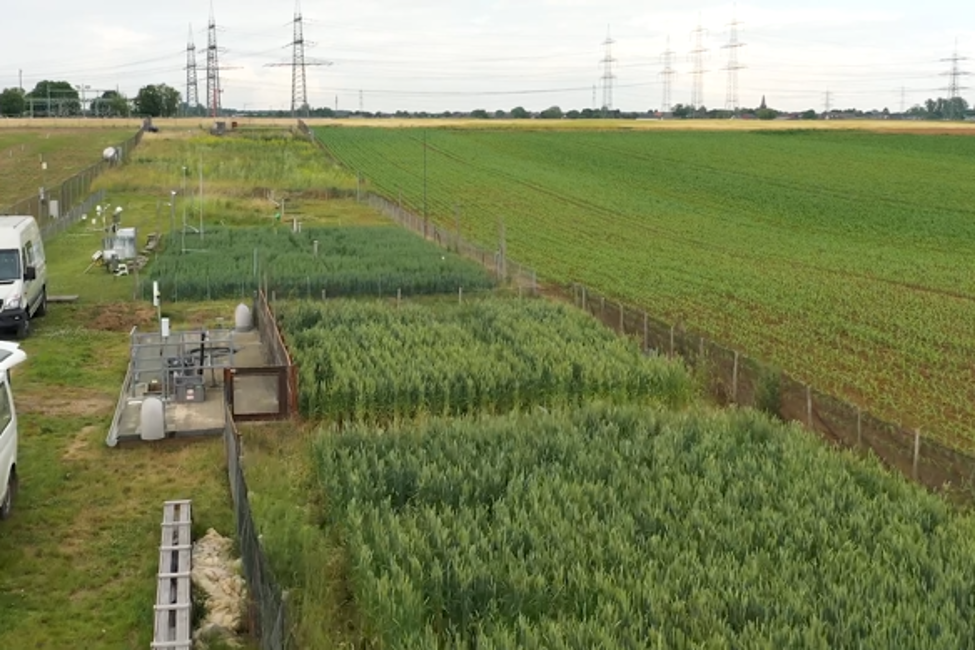
We operate a large number of field experiments across Germany. These field experiments provide a test field to develop PhenoRob technology under realistic agricultural conditions.
Core Projects from Phase 1
PhenoRob Phase 1 was structured around 6 closely linked Core Projects with further large-scale field experiments. Through five demonstrator projects, the Cluster focused on integrating basic research findings into practical systems, combining research from several core projects with an interdisciplinary approach.